
Bonvista Financial Services Pvt. Ltd. is an AMFI registered Mutual Fund Distributor holding ARN No.136656

Bonvista Financial Services Pvt. Ltd.
Becoming a ‘Crorepati’ is every investor’s aspiration. You can accumulate Rs. 1 crore in the near future simply by adhering to the straightforward 15x15x15 Rule of Mutual Funds through a disciplined SIP (Systematic Investment Plan).
To attain your objective of Rs. 1 crore, you may use this simple yet clever mutual fund investing principle to figure out exactly how much you need to save each month, how long you need to invest to make these savings, and what rate of growth and return you should anticipate to build your wealth portfolio.
Although stock exchange markets are thought to be fundamentally unpredictable and volatile, they eventually tend to rise over time. While an annual return of 15% may not always be possible in the stock market every single year, it is a realistic average for Equity Mutual Funds in India. However, keep in mind that continuity and financial discipline are essential in this situation.
If you're wondering what the 15*15*15 Rule in mutual funds is and how it works, keep reading to learn more about it and the power of compounding, which could be the key to your financial success.
What does the “15*15*15 Rule” in Mutual Funds Mean?
The rule breaks down your wealth creation journey into three simple parts:
-
The First 15: This is your monthly SIP amount, i.e., Rs. 15,000 per month.
-
The Second 15: This is the expected returns on investment (ROI), i.e., 15% p.a.
-
The Last 15: This indicates the tenure or investment period of 15 years.
If you invest Rs. 15,000 per month for 15 years and assume returns of 15% p.a., your investment portfolio would be worth Rs. 1 Crore.
The amount you accumulate grows significantly if you apply the same returns and payments for a further 15 years, according to the compounding principle. After the end of 30 years of investment of Rs. 15,000 p.m. with returns of 15% p.a., an accumulation of Rs. 10.50 Crore is possible!
Just by paying an extra amount of Rs. 27 lakhs in contributions, you can accumulate ten times more money in that second 15-year window.
If you are interested in such content and want a daily snippet of knowledge, join our Paise ki Paathshaala Community
The Power of Compounding in Mutual Funds
The term "compounding" is commonly used in mutual fund talks. Compounding is the process by which a little amount of money invested frequently grows into a greater amount over time.
Therefore, "compounding interest" is essentially a technique for "your money to make more money." The power of compounding takes effect once you reinvest inside the time frame of your initial investment, increasing its value and profitability. This is possible because the total return from the previous compounding period will earn interest throughout the future compounding period.
Since compounding is founded on this fundamental idea and forms the basis of all long-term investment opportunities, it can be maximized by making mutual fund investments as fast, effectively, and consistently as possible.
How Does Compounding Work in Your Investment?
Let us understand how compounding works and look at the SIP growth table highlighting the possible amount you will get after 15 to 30 years of investment:
| Investment Horizon | Amount Invested (INR) | Return on Investment (INR) | Total Portfolio Value (INR) |
| Year 1 | 1,80,000 | 15,317 | 1,95,317 |
| Year 3 | 5,40,000 | 1,45,192 | 6,85,192 |
| Year 5 | 9,00,000 | 4,45,225 | 13,45,225 |
| Year 10 | 18,00,000 | 23,79,859 | 41,79,859 |
| Year 15 | 27,00,000 | 74,52,946 | 1,01,52,946 |
| Year 20 | 36,00,000 | 1,91,39,324 | 2,27,39,324 |
| Year 25 | 45,00,000 | 4,47,61,106 | 4,92,61,106 |
| Year 30 | 54,00,000 | 9,97,47,309 | 10,51,47,309 |
The table clearly indicates how smaller monthly investment amounts and gains over the 15-year course snowball into enormous growth. Due to the power of compounding, the return in Year 15 is almost 3 times your entire SIP contribution.
Market Reality: Understanding Sensex Volatility
The basic nature of the Equity Market is being volatile. Hence, expected 15% p.a. returns will not be consistent every single year. However, the long-term average return can be expected to be 14% to 15% p.a.
Let’s look at 20 years of Sensex historical data from 2006 to 2025:
| Sr. No. | Year | Annual Returns |
| 1 | 2025 | 8.55% |
| 2 | 2024 | 8.17% |
| 3 | 2023 | 18.74% |
| 4 | 2022 | 4.44% |
| 5 | 2021 | 21.99% |
| 6 | 2020 | 15.75% |
| 7 | 2019 | 14.38% |
| 8 | 2018 | 5.91% |
| 9 | 2017 | 27.91% |
| 10 | 2016 | 1.95% |
| 11 | 2015 | -5.03% |
| 12 | 2014 | 29.89% |
| 13 | 2013 | 8.98% |
| 14 | 2012 | 25.70% |
| 15 | 2011 | -24.64% |
| 16 | 2010 | 17.43% |
| 17 | 2009 | 81.03% |
| 18 | 2008 | -52.45% |
| 19 | 2007 | 47.15% |
| 20 | 2006 | 46.82% |
| Average | 15.13% |
Key Takeaways for Investors:
-
Market Fluctuations: Since investments are like roller coaster rides, your portfolio won't always stay growing or shoot skyward regularly. You never know when the roller coaster may drop below or ascend upward, but equity mutual funds reward patience.
-
Long-term Vision: Hold onto your investments over extended periods of time and abandon the short-term mentality to truly benefit from goal-based investing.
-
Fund Selection: To get a large return, make sure you select the most suitable and effective mutual funds and consider those with a reasonable expense ratio.
-
Early Start: You should consider starting early in the investment journey to take full advantage of compounding interest.
Conclusion
It is crucial to keep in mind that money is ample in nature. The proverb "Paisa Paise Ko Kheechta Hai" is undoubtedly familiar to you. It implies that money can produce additional money through its offspring.
As a result, compounding is a powerful idea that is both appealing and straightforward. If people do things well and plan their SIPs effectively, they may not have to worry about retirement or other situations where age isn't in their favor.
This article was just published on TaxGuru Click here to read - Tax Implications of Investing in FDs, MFs, PMS and AIFs
To start your wealth-building journey, contact us on +91 8390040100 or visit our Website to Book an Appointment!
Follow for daily updates: WhatsApp | LinkedIn | YouTube | Instagram | Facebook | X | Pinterest
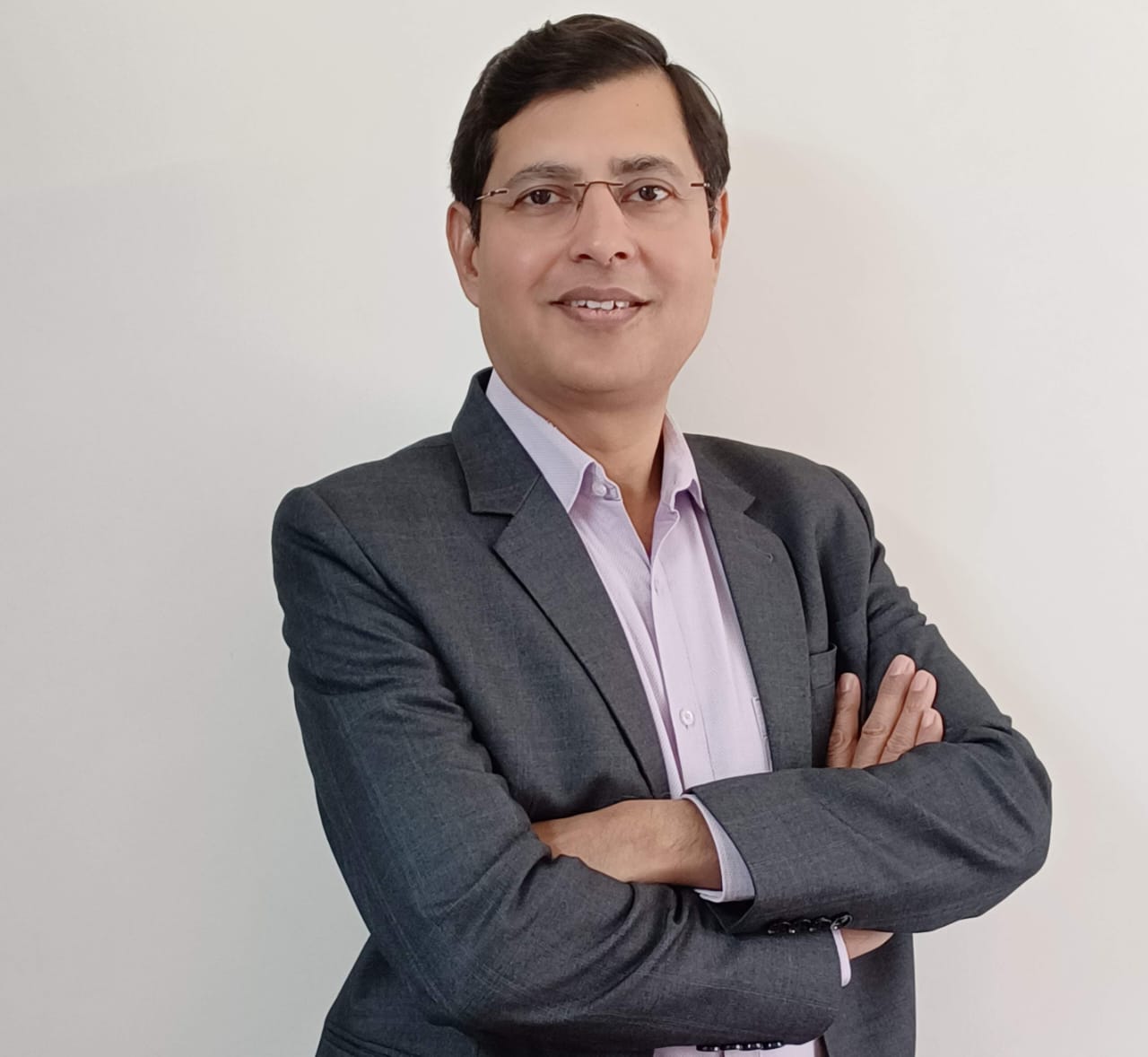
Mr. Unmesh Deshmukh
Founder & Director, Bonvista Financial Services | AMFI ARN: 136656
With over 24 years of elite experience in the financial services industry, Unmesh is a seasoned investment expert. He acts with a strict fiduciary mindset, leveraging data-backed strategies to help individuals and families create sustainable, generational wealth.
Connect on LinkedIn